

THC Vape Canada: The Complete Guide for 2026
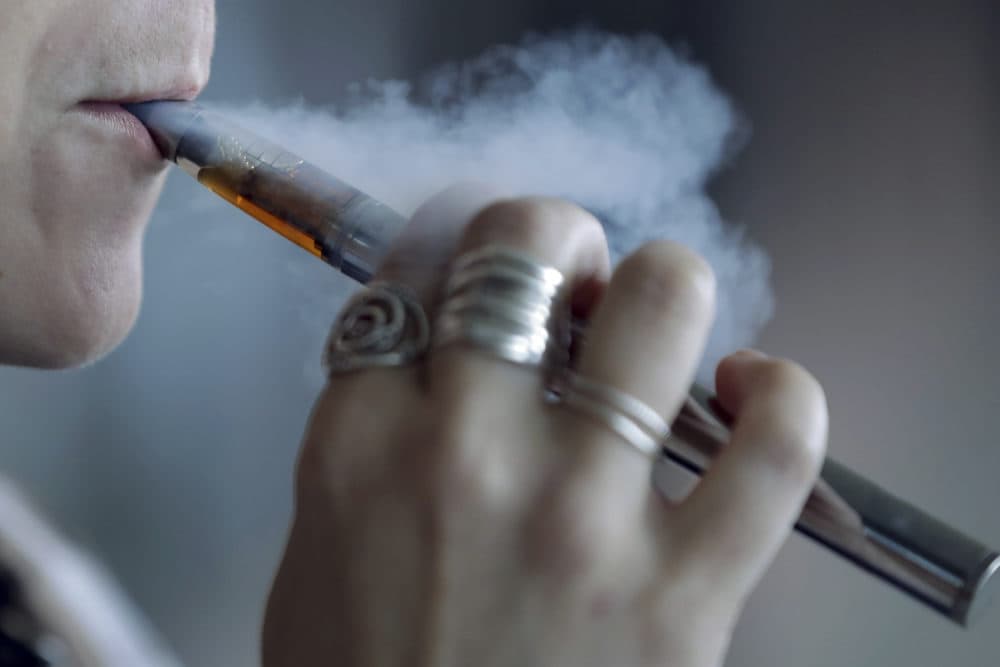
This guide breaks down how a THC vape works, the different types and extracts available in Canada, and what to consider when buying.
THC vapes have become one of the most popular ways to consume cannabis in Canada. From beginner-friendly disposables to premium live resin carts, there are more options available than ever before. That’s great for consumers, but it can also make choosing the right vape feel confusing. Different device types, extracts, potency levels, and price points all play a role. Whether you’re a newbie or a seasoned consumer looking for upgrades, this guide breaks down everything you need to know before you buy.
What Is THC Vape, and How Does It Work?
The technology behind THC vapes is surprisingly simple. Every vape has two main components: a pod and a battery. The pod or cartridge holds the THC oil or “terp sauce,” which is a concentrate of cannabinoids and terpenes. Inside the device, a battery heats that oil just enough to vaporize without burning it. Most devices are either draw-activated, firing automatically when you inhale, or button-activated, where you control the heat manually. That heat turns the oil into vapor, which you inhale through the mouthpiece. THC is absorbed by your body fast, and effects usually show up within minutes. This offers a much quicker onset compared to edibles.
For a dedicated hardware breakdown, see how cannabis vapes work from battery activation and heating to airflow and aerosol.
The 3 Main Types of THC Vapes in Canada:
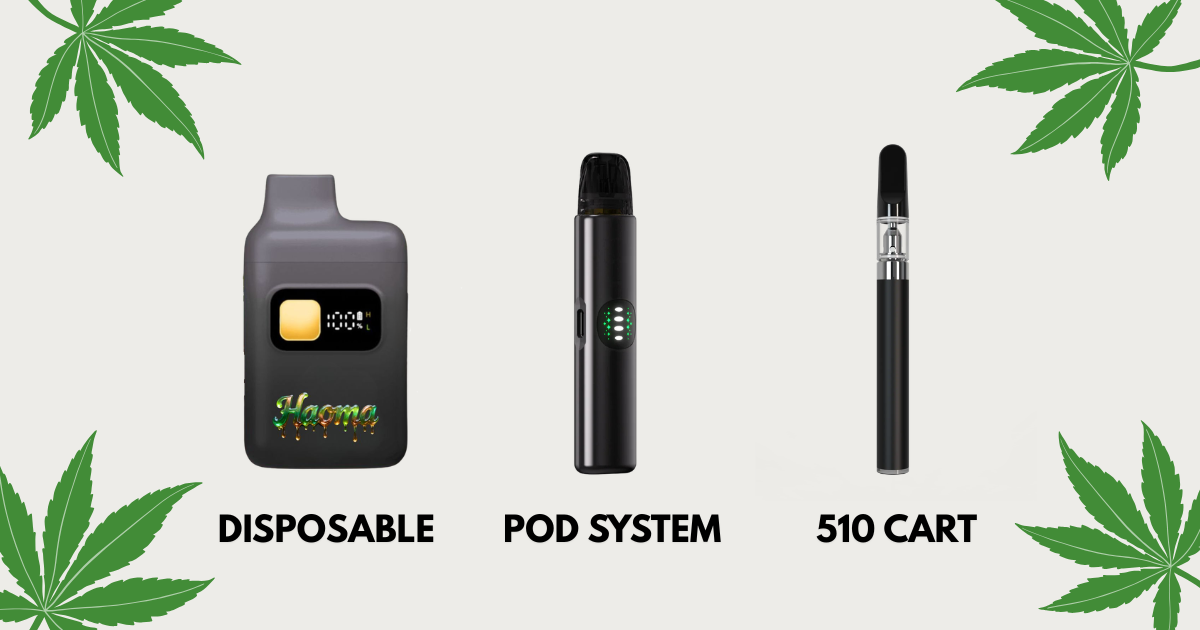
Not all THC vapes are built the same. The three main types you’ll see in the Canadian market are disposable vapes, 510-thread cartridges, and pod systems. Read on to know how each type differs.
- Disposable vapes are all-in-one devices that come pre-filled and ready to use. No charging or setup is required! Simply take it out of the box, power the device, and puff. They’re user-friendly, making them appealing to first-time users and younger demographics.
- 510-thread cartridges, also known as ”carts,” are the industry standard for pre-filled vaporizers. The term “510” refers to the threading (10 threads at a 5mm diameter) that screws the cartridge securely into a compatible battery. These pre-filled carts allow users to switch from different strains, extracts, and brands. Dabbers and heavy consumers usually go for this type since they’re more economical in the long run.
- Pod systems use brand-specific cartridges that work only with matching devices. This setup consists of a pod and a rechargeable battery. They provide a more consistent vaping outcome but offer less flexibility compared to 510-thread setups. When a pod runs out, you just swap in a new one.
Check our guides on disposable THC vapes and THC vape cartridges to learn more.
What’s Inside Your Vape Cart? Distillate, Live Resin & HTFSE Explained
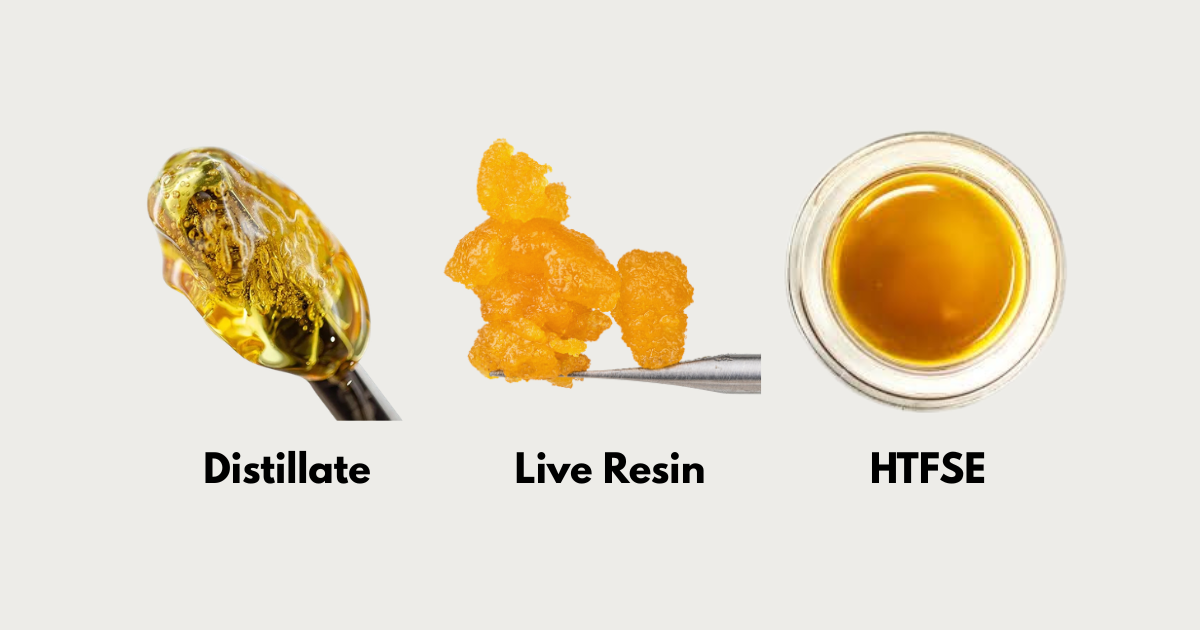
Once you understand the different types of THC vapes, the next thing that shapes your experience is what’s actually inside the cartridge. While there are several cannabis extracts available today, distillate, live resin, and HTFSE are the three most common in Canadian THC vapes.
| Extract | Potency | Flavor | Consistency | Best For |
| Distillate | High (90%+) | Smooth, mild, flavorless | Thick and sticky | Beginners, value |
| Live Resin | Moderate to High (65% – 95%) | Rich, full-spectrum, similar to cannabis flower | Grainy and thick | Strain-true effect |
| HTFSE “Terp sauce” | Moderate but terpene-heavy (50% – 60%) | Most intense, complex | Liquidy/viscous | Experienced users |
How to Choose the Best THC Vape in Canada
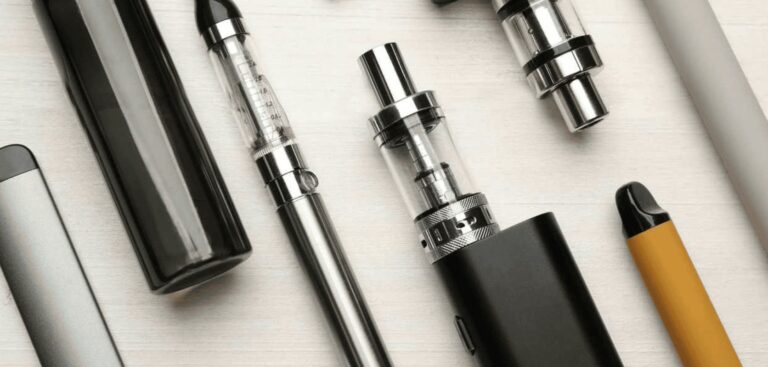
The Canadian THC vape market is flooding with options, and deciding which to buy can be daunting. Luckily, we’ve prepared a checklist to help you find what best fits your preferences.
1. Start With the Extract Type
The extract inside your vape cartridge plays a major role in potency, flavor, and overall effects.
Before anything else, think about the kind of high you’re after. If you’re new to THC vapes, distillate is often the easiest place to start. It delivers consistent effects and high THC potency. If flavor and a more strain-specific profile matter to you, consider live resin or HTFSE, which preserve more of the plant’s natural terpenes and cannabinoids for a fuller experience.
2. Choose a Device That Fits Your Lifestyle
Next, consider how often you’ll be vaping. Not all vape setups are built for the same type of user.
Here’s the catch: Disposable vapes are all about convenience. They require little to no maintenance and are the perfect choice for occasional users who want a simple, grab-and-go setup. If you vape more regularly, a 510-thread cartridge paired with a rechargeable battery usually makes more sense. It’s more flexible in terms of cart replacement, allowing you to switch from one cart to another. This also means that you won’t need to replace the entire device every time your juice runs out.
Pod systems sit somewhere in the middle. Like 510 carts, they use a rechargeable battery, but the pods are designed to work only with a specific brand’s device. Many users like them for their sleek design and consistent performance, though they offer less versatility than a standard 510 setup.
3. Consider Your Preferences
Most THC vapes in Canada are labeled as indica, sativa, or hybrid. Experiences vary from person to person, but Indica is generally linked to relaxation, making it a common evening pick. Sativa tends to lean the other way, often chosen for daytime use or a more uplifting feel. Hybrids combine characteristics of both and can be a good middle-ground option if you’re unsure where to start.
4. Think About Flavor
THC vapes aren’t one-note. Some lean toward sweet and fruity aromas; others toward earthy or gas-forward. If flavor matters more to you than potency, let that guide your extract choice (see the table above) rather than defaulting to whatever’s cheapest. If you have tried e-cigarettes before, you can use that as a baseline for the flavors that you like.
5. Set a Budget Before You Shop
Your budget is a significant factor to consider when shopping for THC vapes in Canada. Knowing what you’re willing to spend upfront helps narrow down your options fast.
Rule of thumb: distillate carts are the most affordable entry point if you’re planning to vape long-term. Live resin and HTFSE cost more, but that’s because of better terpene preservation and a more complex experience. Hardware matters too, as a quality rechargeable battery is a one-time cost that pays off over time compared to buying disposables repeatedly.
Common Mistakes First-Time Buyers Make
Your first time should be a good time, but it isn’t always the case. To help you start on the right foot, here’s a list of the most common mistakes newbies make and how to avoid them.
1. Choosing the Highest THC Percentage
Many first-time buyers assume that the stronger the product, the better it is. In reality, higher THC doesn’t always guarantee it. If you’re still figuring out your tolerance, start off on a lower potency. Keep in mind that it’s better to focus on the overall product, not just the THC number. For some folks, a balanced live resin or HTFSE cart may deliver a more enjoyable effect than a heavy-hitting distillate.
2. Buying the Wrong Type of Vape
Not every vape is designed for the same user. Some people buy a cartridge without realizing they also need a compatible battery. Others purchase an advanced setup when a disposable would have been enough. If you’re new to vaping, start with a disposable THC vape. If you plan to vape regularly, a rechargeable 510-thread battery and cartridges usually offer better long-term value.
3. Ignoring Product Quality
Quality matters when it comes to both the hardware and the extract inside the cart. Poorly made products may deliver inconsistent performance and can even cause safety risks. It’s best to stick to trusted retailers with verified reviews. Online retailers like 71oil.co carry vetted products so you know what you’re actually getting.
4. Taking Too Much Too Quickly
Because THC vapes produce effects within minutes, it’s easy to assume one more puff won’t make much difference. That’s often where beginners get into trouble. Start with one or two small puffs and wait several minutes before taking more. You can always increase your intake, but it’s harder to dial things back once you’ve overdone it.
Are THC Vapes Legal in Canada?
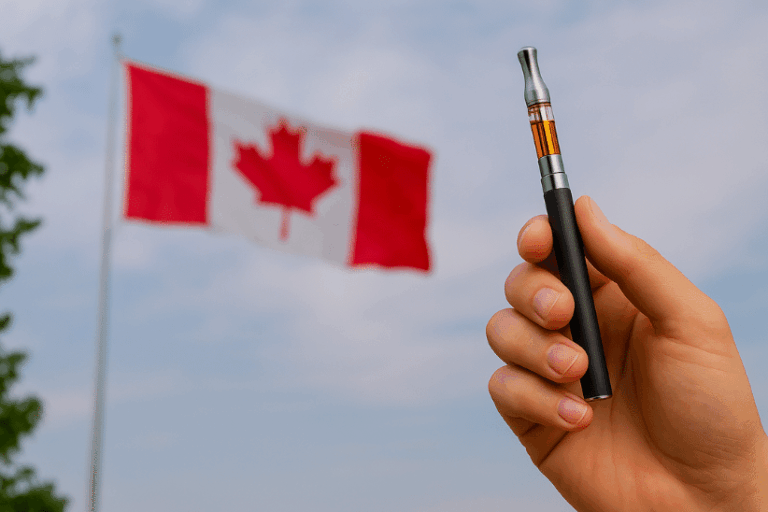
Yes. THC vapes are legal in Canada under the 2018 Cannabis Act. Regulations around age limits, possession, and public consumption still vary by province, so it’s important to check the rules where you live. The legal age to purchase cannabis is 18 in Alberta, 19 in most provinces and territories, and 21 in Quebec.
Legalization also changed the public context around cannabis, while Canadian survey data helps show how cannabis use is perceived socially across Canada.
Adults can carry up to 30 grams of dried cannabis or its equivalent in public, which includes vape products. Where you can vape is also regulated, with many provinces applying restrictions similar to smoking, including bans in workplaces, public buildings, and certain outdoor spaces.
Vaping THC vs. Smoking Weed: Which Is Better?
There’s no one-size-fits-all answer. Some people prefer vaping because it’s discreet, portable, and produces less lingering odor. Others go for the familiar method because they enjoy the ritual and full-flower experience that comes with smoking.
What’s interesting is that Canadian consumption habits are changing. In 2018, 89% of consumers used the traditional smoking method, and numbers dipped to 69% in 2024. More Canadians are now exploring alternatives like vapes, edibles, and concentrates. At the end of the day, the “better” option comes down to what matters most to you—convenience, flavor, portability, or tradition.
Are Disposable THC Vapes Worth It?
Everyone has their own vaping habits, and the question of whether disposables are “worth it” really depends on what you need. If you prioritize convenience and quality minus the maintenance and setup, this is the best pick for you. They come pre-filled and charged, so you just simply grab one and puff. They’re ideal for beginners or consumers who want to try out new strains. When your vapes run empty, you just dispose of them and get a new one.
However, with that convenience come a few tradeoffs. Disposables typically cost more per gram of oil than reusable vape setups. For regular users, a 510 cartridge with a battery costs less in the long run.
To go deeper into how these extracts compare, check out our full guide to THC vape extracts.
FAQS
1. Will a THC vape pen get you high?
Yes. THC is the psychoactive compound in cannabis. Strength depends on the extract type, THC percentage, and how much you inhale. Effects are usually strongest if you’re a first-time user with low tolerance.
2. Why does my THC vape make me cough so much?
A harsh hit can happen for a few reasons. Taking long draws, using a cart that’s running too hot, or vaping lower-quality oil can all irritate your throat. Try shorter, gentler inhales and let the device cool between puffs.
3. Can vaping cause palpitations?
Some people experience an elevated heart rate after consuming THC—this is a known effect of cannabis, not exclusive to vaping. If it happens regularly or feels severe, it’s best to consult a healthcare professional.
4. Can I eat THC vape oil?
Eating THC oil is not recommended since it’s formulated specifically for inhalation. Its composition usually includes additives that could pose a health risk. Edibles are the safe option if you want to eat THC.
5. Can I bring a THC vape on a plane in Canada?
Yes. THC vapes are allowed in carry-ons for domestic flights within Canada. Adults can carry up to 30 grams of dried cannabis or its equivalent, which includes vape products. Always check the individual airline policies before flying. International travel with cannabis is illegal regardless of destination.

One Response